
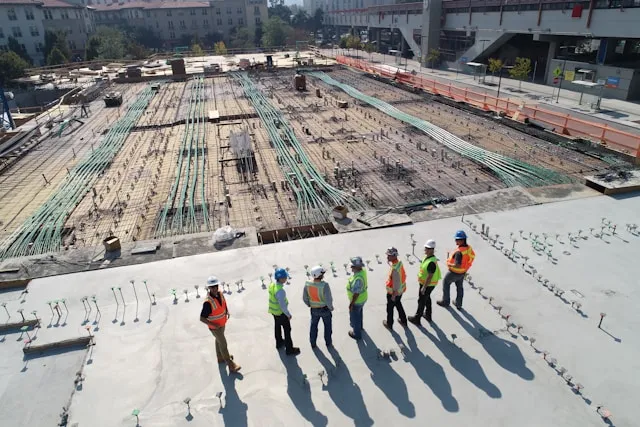
Photo by Scott Blake on Unsplash
Introduction
Building a new home is one of the most exciting and significant investments a person can make. It offers the opportunity to create a living space that reflects your lifestyle, preferences, and long-term needs. However, the success of a home construction project depends largely on the planning that takes place before the first foundation is poured. Without a clear strategy, homeowners can face budget overruns, project delays, design issues, and unnecessary stress.
Thoughtful preparation helps streamline the construction process, improves communication with contractors, and ensures that the final result aligns with your expectations. Whether you are building your dream home from the ground up or developing a property for future value, taking the time to plan carefully can make a substantial difference. Here are eight smart planning tips to consider before starting a home construction project.
Define Your Vision and Goals
Before speaking with contractors or reviewing floor plans, take time to clarify your vision for the home. Consider how you intend to use the space today and how your needs may evolve in the future. Think about factors such as family size, lifestyle preferences, entertainment needs, and work-from-home requirements.
Creating a list of priorities can help distinguish between essential features and optional upgrades. For example, a spacious kitchen may be a necessity for some families, while a dedicated home office or outdoor living area may be more important for others. Having a clear vision from the start helps guide future decisions and reduces the risk of costly design changes later.
Establish a Realistic Budget
One of the most critical aspects of planning a construction project is determining a realistic budget. Beyond construction costs, homeowners should account for expenses related to permits, site preparation, utility connections, landscaping, furnishings, and potential contingencies.
A common mistake is allocating every dollar to the building itself without considering unexpected expenses. Including a contingency fund can provide financial flexibility when unforeseen challenges arise. Researching local construction costs and consulting industry professionals can help create a more accurate financial plan.
A well-defined budget not only protects your finances but also helps your design and construction team recommend solutions that align with your goals.
Choose the Right Location Carefully
Location plays a major role in both the construction process and the long-term value of a home. Factors such as neighborhood quality, proximity to schools, commute times, access to amenities, and future development plans should all be considered before purchasing land.
It is also important to assess the physical characteristics of the site. Soil conditions, drainage patterns, topography, and utility availability can significantly affect construction costs and timelines. Conducting proper site evaluations early can prevent unexpected challenges during development.
Selecting the right location ensures that your home not only meets your immediate needs but also retains value over time.
Work with Experienced Design Professionals
The professionals you choose can have a lasting impact on the success of your project. Working with skilled architects and designers helps translate your ideas into practical, efficient, and attractive plans.
Experienced professionals understand building codes, zoning requirements, and design principles that improve functionality and aesthetics. Many homeowners find that collaborating with knowledgeable Boulder architects and other qualified design experts allow them to maximize their property’s potential while avoiding common design pitfalls.
Investing in professional guidance early in the planning process often leads to better decision-making and smoother project execution.
Understand Local Regulations and Permit Requirements
Every municipality has its own building codes, zoning regulations, and permit requirements. Failing to understand these rules can result in delays, fines, or costly redesigns.
Before construction begins, research local regulations that may affect building height, setbacks, lot coverage, environmental restrictions, and architectural guidelines. Working closely with professionals who are familiar with local permitting processes can help ensure compliance from the beginning.
Obtaining the necessary approvals before breaking ground keeps the project moving forward without unnecessary interruptions.
Create a Detailed Construction Timeline
A realistic project schedule is essential for managing expectations and coordinating various aspects of the build. Construction projects involve multiple stages, including design development, permitting, site preparation, foundation work, framing, mechanical installations, finishing, and inspections.
Unexpected weather conditions, material shortages, and labor availability can sometimes affect timelines. Building flexibility into the schedule helps accommodate these factors without causing major disruptions.
A detailed timeline also improves communication among homeowners, builders, suppliers, and subcontractors, ensuring everyone understands project milestones and deadlines.
Prioritize Energy Efficiency and Sustainability
Modern homeowners increasingly recognize the value of energy-efficient and sustainable building practices. Planning for these features during the design stage is typically more cost-effective than adding them after construction is complete.
Consider insulation quality, energy-efficient windows, smart home technology, water-saving fixtures, and renewable energy options. These investments can reduce utility costs, improve indoor comfort, and contribute to environmental responsibility.
Sustainable design choices often provide long-term financial benefits while creating a healthier and more efficient living environment.
Select Materials with Long-Term Performance in Mind
Material selection affects not only the appearance of a home but also its durability, maintenance requirements, and overall value. While it may be tempting to focus primarily on aesthetics, long-term performance should be a key consideration.
Research the lifespan, maintenance needs, and environmental suitability of materials used for roofing, siding, flooring, countertops, and exterior finishes. High-quality materials may require a larger initial investment but often offer greater durability and lower maintenance costs over time.
Making informed material choices can help protect your investment and enhance the longevity of your home.
Plan for Future Needs and Flexibility
A successful home is one that continues to serve its occupants well for years to come. When planning your construction project, think beyond your current situation and consider potential future changes.
You may need additional space for a growing family, accommodations for aging relatives, or flexible rooms that can adapt to evolving lifestyle needs. Features such as wider hallways, multipurpose spaces, and adaptable floor plans can improve long-term functionality.
Future-focused planning helps ensure that your home remains comfortable, practical, and valuable for many years.
Conclusion
Starting a home construction project requires far more than choosing a floor plan and hiring a builder. Careful planning lays the foundation for a smoother construction experience and a more successful final result. By defining your goals, establishing a realistic budget, selecting the right location, hiring experienced professionals, understanding regulations, creating a detailed timeline, prioritizing sustainability, choosing durable materials, and planning for future needs, you can approach your project with confidence.
Thoughtful preparation minimizes surprises, improves decision-making, and helps transform your vision into a home that provides comfort, functionality, and lasting value for years to come.
