
Communication is a fundamental aspect of human society, enabling people to share information, ideas, and emotions. Over the years, technology has dramatically transformed communication methods, making interactions faster, easier, and more efficient. From traditional letters and landline telephones to smartphones and social media platforms, technological advancements have revolutionized the way people connect with one another across the globe.
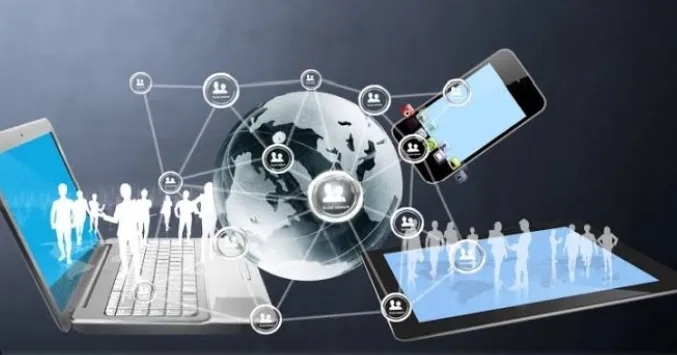
One of the most significant impacts of technology on communication is speed. In the past, sending a message over long distances could take days or even weeks. Today, emails, instant messaging applications, and video calls allow people to communicate instantly regardless of their location. This rapid exchange of information has strengthened personal relationships and improved business operations có mưa không .
Technology has also expanded communication channels. Social media platforms, websites, blogs, and online forums enable individuals to share ideas and opinions with large audiences. These digital platforms have created new opportunities for collaboration, learning, and cultural exchange, connecting people from different backgrounds and regions.
In the business dự báo thời tiết tphcm ngày mai , modern communication technologies have improved productivity and teamwork. Video conferencing tools, cloud-based collaboration platforms, and digital communication systems allow employees to work together effectively, even when they are located in different countries. Remote work has become increasingly common due to these technological innovations.
Education has similarly benefited from advances in communication technology. Students and teachers can interact through virtual classrooms, educational applications, and online discussion forums. These tools make learning more accessible and provide opportunities for collaboration beyond traditional classroom settings.
Healthcare professionals also use communication technology to improve patient care. Telemedicine platforms allow doctors to consult with patients remotely, provide medical advice, and monitor health conditions without requiring in-person visits. This has increased healthcare accessibility, especially in remote and underserved areas.
Despite its many advantages, communication technology also presents challenges. Misinformation, privacy concerns, cyberbullying, and excessive dependence on digital devices can negatively affect individuals and society. Therefore, responsible and ethical use of communication technologies is essential.
In conclusion, technology has transformed modern communication by increasing speed, accessibility, and connectivity. It has improved personal interactions, business operations, education, and healthcare services while bringing people closer together across geographical boundaries. As technology continues to evolve, communication will become even more efficient, shaping the future of global interaction and cooperation.
